
1st CRS/AMS Workshop on Informed Consent
As part of ongoing efforts to keeping CRS relevant and improving our Professionalism and Education vision, CRS launched a fully interactive, multi-disciplinary program going beyond the (boring) lecture platform, partnering with the Academy of Medicine.
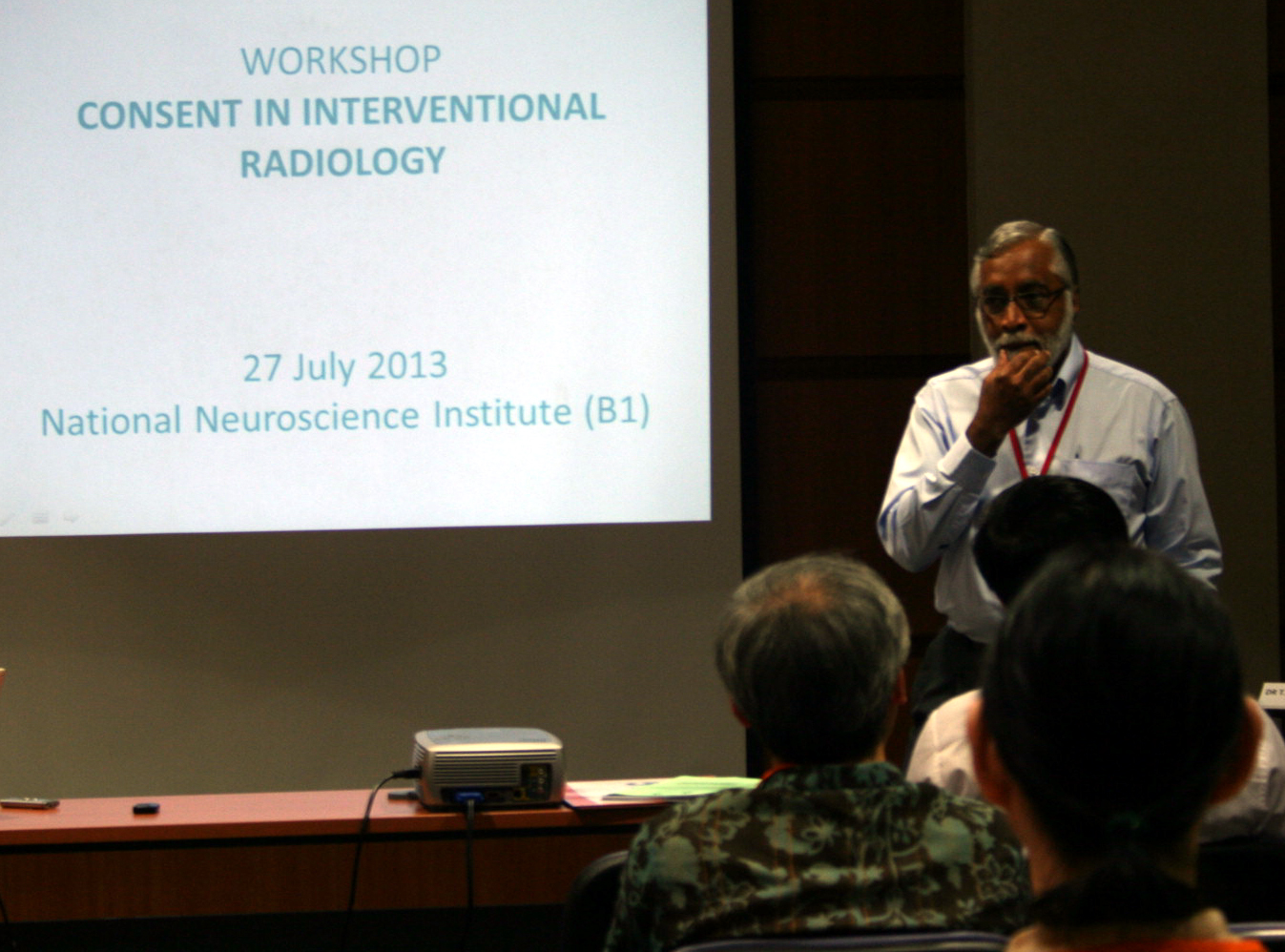
Fig 1: Dr T. Thirumoorthy, Censor-in-Chief, Academy of Medicine, at the Workshop on Informed Consent
After months of conception and alignment of the constellations, the inaugural workshop on Informed Consent on Saturday 27 July 2013 was held at the National Neuroscience Institute. This attracted a total of 29 participants, comprising a mix of interventional and diagnostic radiologists, specialist trainees and residents. An interventional radiologist from up north recognised the importance of informed consent in practice and drove all the way from Kuala Lumpur to participate.
Dr Tchoyoson Lim, CRS President, started the program with a short introduction of the speakers. A short review of the ethical basis and elements of informed consent in Radiology was presented by Dr Luke Toh of KK Women’s and Children’s Hospital. Mr Eric Tin, Head, Litigation and Dispute Resolution Practice, Donaldson and Burkinshaw weighed in on the legal basis of consent in Medical Practice. After the didactics, the practical challenges facing Radiologists in the process of informed consent was presented in a very light-hearted manner by Dr Terence Teo from Parkwayhealth Radiology.
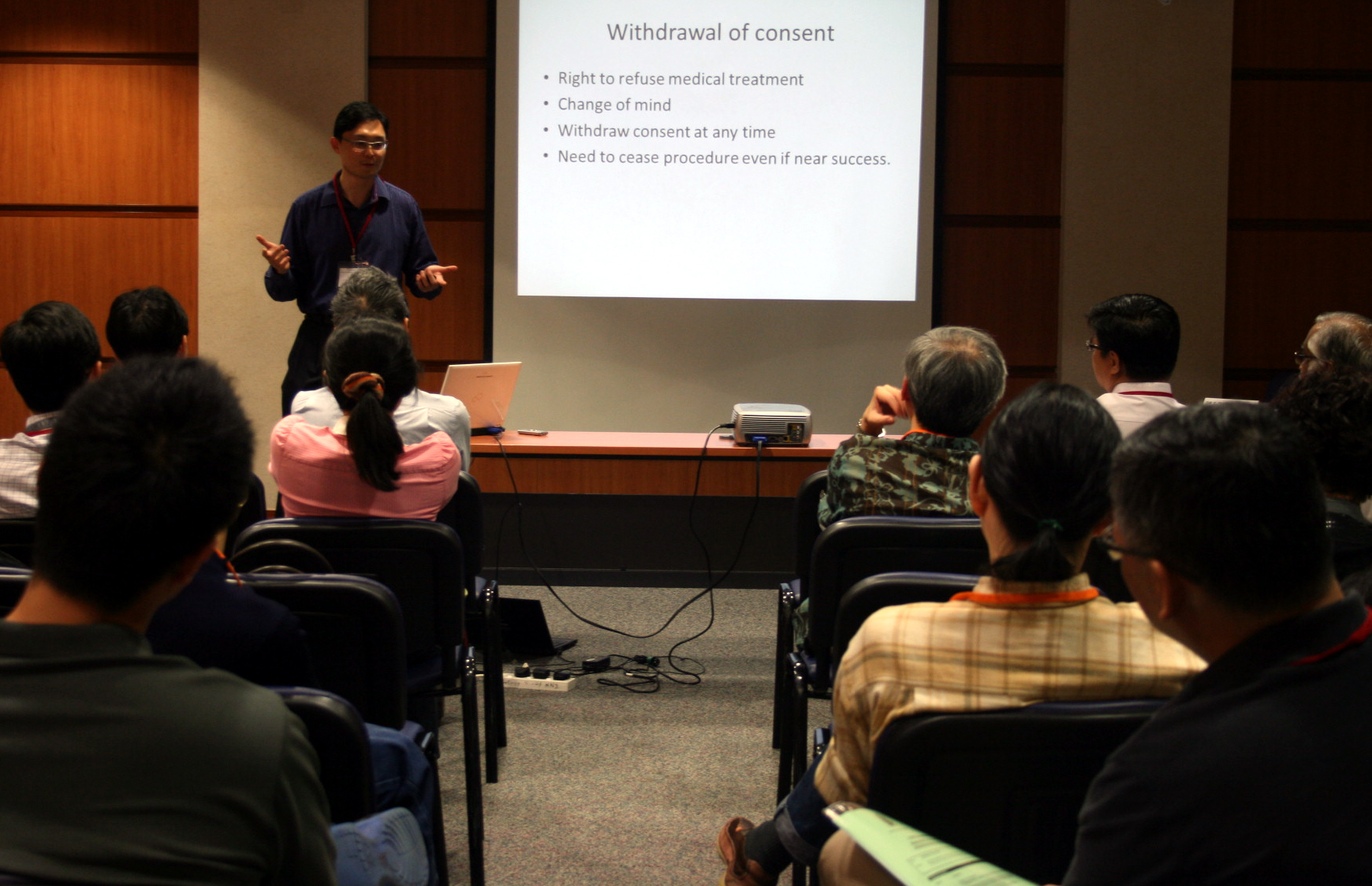
Fig 2: Consent issues presented by Dr Luke Toh of KKWCH; laying the groundwork
The following are highlights of what was discussed at the course:
- Interventional Radiologists (IR) provide direct complex treatment to patients.
- IR procedures may be invasive and complicated in nature
- IR procedures are often done on very sick patients, as an emergency procedure and as a consequence carry increased risk.
- Often, the Consent is taken by the Ward doctors who may not have good understanding of IR procedures: communication issues may arise
- What is the role of IR in taking consent?
- Should IRs establish clinics to see patients before, take consent and after the procedure to check for unwanted effects and continued care?
- What is the role of IR in the management of patients – merely technical expert to carry out the procedure or clinical expert to advise on indications/suitability of procedures and best management?
- IRs have limited contact time with patients and seldom have the luxury to establish a good doctor patient relationship.
- Should IRs do ward rounds after the procedure routinely?
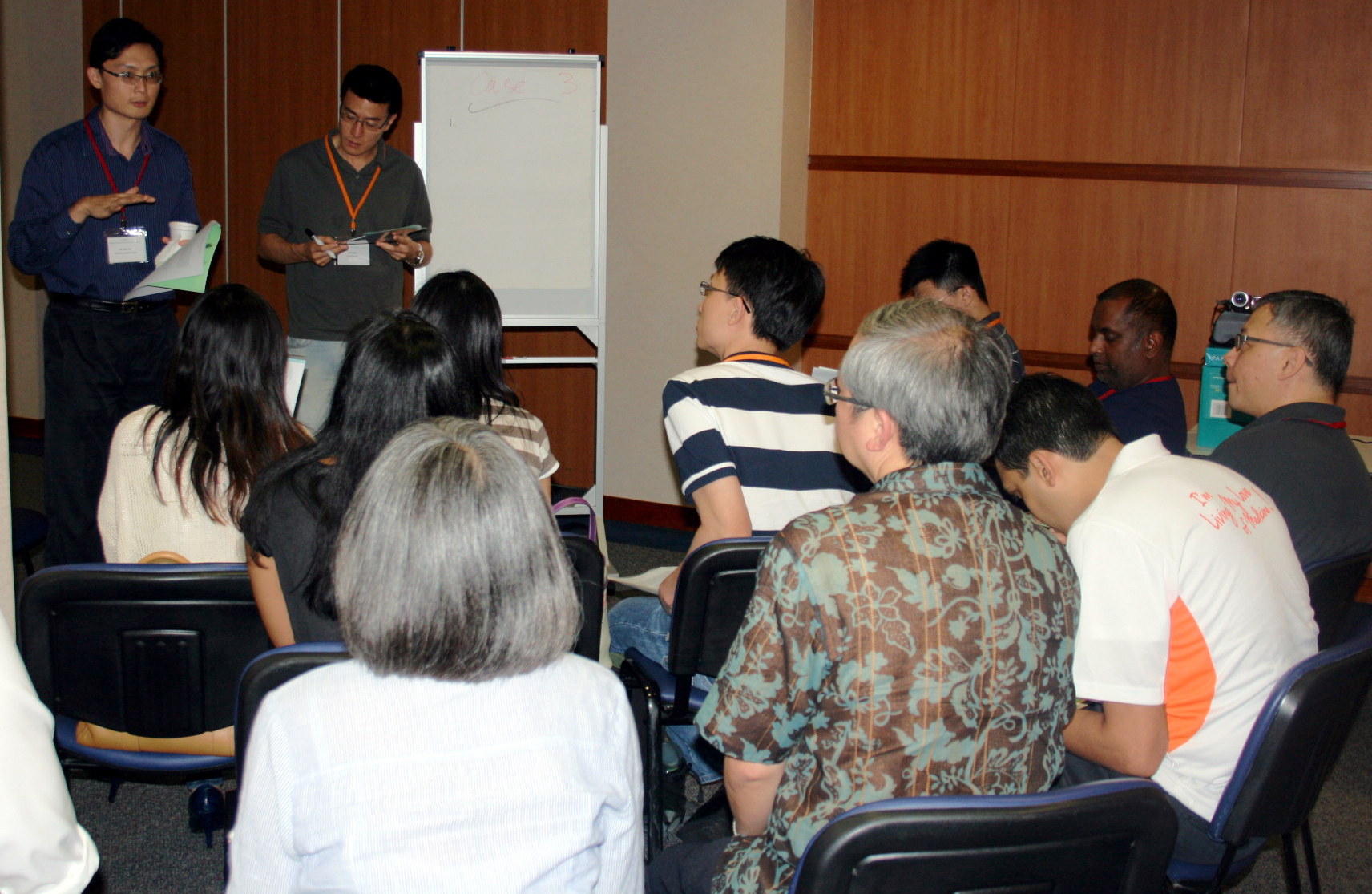
Fig 3: Participants in discussion using the workshop format
Participants were separated into smaller groups for a discussion of real life case scenarios after being recharged by a delectable tea break. There were animated and enthusiastic exchanges amongst the groups followed by a summary presentations by representatives. Dr T. Thirumoorthy, Censor-in-Chief, Academy of Medicine Singapore moderated the discussions and summarised the key points to informed consent, bringing the workshop to a successful conclusion.
Consent being an important aspect of our work, continued education in this area is essential for all Radiologists, especially IR. Following on the success of the day, we at CRS hope to do more to build on what was discussed. Any ideas and suggestions for future programs that the CRS can organise to fulfill our research, educational and policy remits, or any feedback, is welcome. Feel free to contact the speakers or any office bearer, at crs@ams.edu.sgDr Luke Toh
Diagnostic Radiology
KK Women’s and Children’s Hospital


